
"global coffee varieties"
4000 article(s) found

The global distribution of coffee the growth habits of coffee
Coffee is a kind of drink that gives the public the impression that it is black, bitter, sleepless and excited. The coffee beans we see in the coffee shop are tea-brown, which belongs to roasted coffee beans, while the color of the coffee liquid is amber. Coffee comes from coffee beans, which are harvested and processed from the fruit of trees.] Distribution of coffee: coffee

Differences in the characteristics of taste and flavor between Arabica and Mantenin coffee beans in Indonesia
Arabica: accounts for 60% of global production, preferably planted at high elevations, with lower temperatures and lower yields. It has a stronger taste and elegant mellow and acidity (you can trust me if you want to know more about the definition of alcohol and acidity in coffee tasting); about 1% caffeine (by weight) is expensive: Robbins accounts for 40% of global production and is usually grown at lower elevations.

How to speed up the improvement of the global status of Yunnan coffee
1. The present situation of coffee planting industry in Yunnan (1) the coffee planting area in Yunnan has reached 1.32 million mu according to official statistics. (2) from the elevation of the planting site, about 80% is 1100 meters or less, or even 600m. From the point of view of the tree age, it is about 1 prime 3 over 10 years old, and about 1 prime 2 within 5 years (growth period and just put into production). (3) from the point of view of the vegetation and shade of the plantation, most of the plantations did not achieve the original planting.
Introduction of Brazilian Coffee producing areas with a place in the Global Coffee Market
General K. Fonseka launched a coup on November 15, 1889, overthrowing the monarchy and establishing the United States of Brazil. Under the slogan of order and progress, and based on the presidential system to strengthen the modernization of Brazil, the new government has achieved good economic results in addition to producing 3/4 of the world's coffee. Later, under the panic of the world economy in the 1930s, the coffee economy suffered a deep pain.
Coffee bark beetle climbing! Climate change! There may be a global shortage of 180 million bags of coffee beans in 2050.
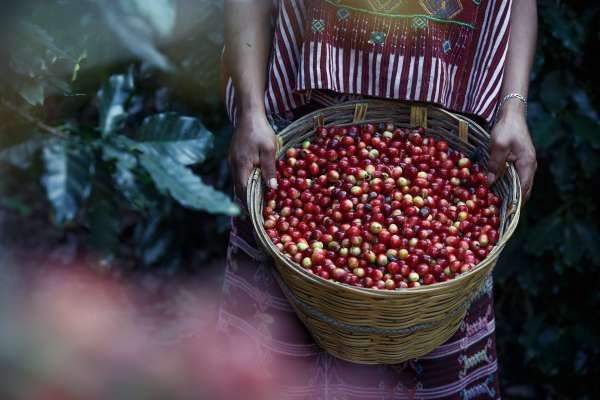
Professional coffee knowledge exchange more coffee bean information Please follow the coffee workshop (Wechat official account cafe_style) many people drink a cup of mellow coffee every morning to start a new day, but with the increasing severity of global warming and the increasing frequency of extreme weather such as droughts and super hurricanes, more than half of the world's coffee bean producing areas will be seriously affected.

Climate change threatens global coffee supply to wild coffee or extinction
The Australian non-profit Climate Research Institute (Climate Insititue) released a report this month warning that climate change will seriously endanger coffee supplies around the world. The report, entitled Storm in the making, details the impact of climate change on coffee farms and predicts future coffee supplies. The study predicts that temperatures will continue to rise by 2050.

Brazilian coffee production hit a record high in 2018 global coffee bean prices are expected to remain low
Professional coffee knowledge exchange more coffee bean information please follow the coffee workshop (Wechat official account cafe_style) according to the second survey conducted by Brazilian state supply company (Conab) this year (released on May 17th), Brazilian coffee production this year will reach an all-time high. The total output will reach 58 million bags (60 kg per bag), an increase of 29. 5% over the previous year's harvest of 44.9 million bags.
Global coffee producing area-Ecuador
The Arabian Coffee Tree was first introduced to Ecuador (Ecuador) in 1952 and its coffee is of good quality, especially the coffee harvested in early June. Ecuador's coffee origin: the best Arabica coffee is produced in the Andes, especially in the Chanchagu Valley (ChanchamgoValley). The Andes are divided into two mountains, extending from south to north to central Ecuador. Ecuador
Global coffee producing area-El Salvador
ElSalvador is one of the small countries in Central America with a dense population. The flavor of its coffee is characterized by excellent balance.
Global coffee producing area-South Africa
The country's coffee trees originated in Kenya and are of excellent quality.
Global Coffee Origin-Haiti
Haiti tries to produce some quality coffee despite its well-known problems and fluctuating coffee quality.
Global coffee producing area-Dominica
The Dominican Republic (DominicanRepublic) is adjacent to Haiti, and both own the island of Hispaniola (Hispaniola). In the early 18th century, coffee was grown in the Dominican Republic. Coffee production in the Dominican Republic: the best coffee producer in the Dominican Republic is the Barahona region in the southwest, but Juncalito
Global coffee producing area Rwanda coffee producing area
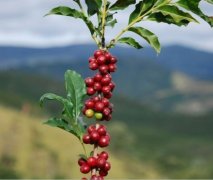
Since the 1920s, Arabica coffee grown in Rwanda has been famous for its unique fruit sweetness and rich grass aroma. In recent years, the Rwandan government has taken positive measures to vigorously promote coffee production, set up coffee production cooperatives in various places, and give technical guidance and financial support to farmers, so that coffee production has made considerable progress. From Rwanda.

Rwanda Coffee Market, Global Coffee producer
Since the 1920s, Arabica coffee grown in Rwanda has been famous for its unique fruit sweetness and rich grass aroma. In recent years, the Rwandan government has taken positive measures to vigorously promote coffee production, set up coffee production cooperatives in various places, and give technical guidance and financial support to farmers, so that coffee production has made considerable progress. From Rwanda.
Guatemala, the Global Coffee producer
Guatemala coffee, the world's coffee producer, once enjoyed a reputation as the best quality coffee in the world, but its quality also declined for a time. What is gratifying, however, is that its reputation is gradually being restored. In 1750, Father Jesuit introduced coffee trees to Guatemala, where the coffee industry was developed by German colonists at the end of the 19th century. Today, coffee
What is the Liberika variety excelsa coffee? Flavor and taste characteristics of large fruit coffee
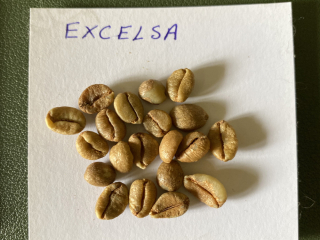
Professional coffee knowledge exchange more coffee bean information please follow the coffee workshop (Wechat official account cafe_style) more boutique coffee beans please add private Wechat Qianjie coffee, WeChat: qjcoffeex whenever we mention coffee varieties, people will naturally think of Arabica / small fruit species

Fine coffee beans in Lutexiluo, western province of coffee producing area
Today, there are more than 100 varieties of coffee, but more than 100 kinds of coffee are all derived from Arabica coffee, Robbda coffee and Liberian coffee. they come from different countries as follows: Brazil edits this largest coffee producer, and all grades and types of coffee account for 1/3 of the global consumption and occupy a place in the global coffee market.

Description of Manor Flavor in Brazilian Fine Coffee Bean producing area
Brazil's boutique coffee bean producing area manor flavor description the origin of this largest coffee producer, various grades and types of coffee accounts for 1/3 of the global consumption, and occupies a place in the global coffee market. Although Brazil faces several times higher natural disasters than other regions, it has enough acreage to make up for it. There are many kinds of coffee here.

Global Coffee production Brazilian Coffee Market
Brazil is vividly compared to the giant and monarch of the coffee world. There are about 3.97 billion coffee trees there, and small farmers now grow 75% of the country's coffee. The number of coffee producers in Brazil is twice or even three times that of Colombia, the second largest coffee producer in the world. Coffee production in Brazil: Mi in southeastern Brazil
Global coffee producing area-Rwanda
Since the 1920s, Arabica coffee grown in Rwanda has been famous for its unique fruit sweetness and rich grass aroma.